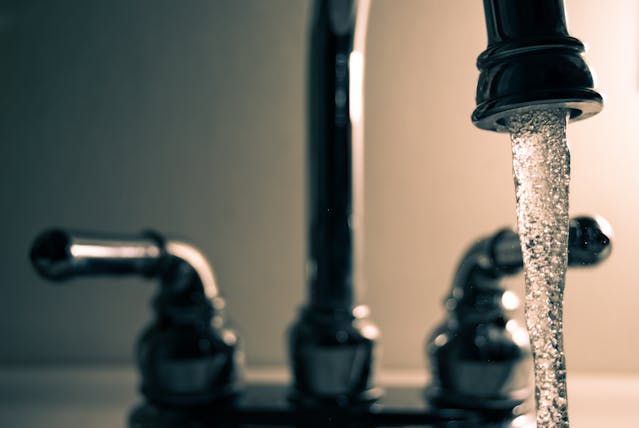
While preparing your trip, questions may arise, such as whether you can drink tap water in Lanzarote. Having this kind of information is important, as it will help you plan your holiday more effectively. Can it be used for cooking or brushing teeth, or is it better to buy bottled water for everyday use? Below, you’ll find all the answers.
Where does Lanzarote’s tap water come from?
An island in the Atlantic Ocean, Lanzarote is encircled by water (saltywater). With little rainfall throughout the year and few freshwater sources, the water supply comes from the surrounding ocean.
Desalination plants collect the seawater, treat it, and make it safe for human consumption.
Why it’s desalinated
On this arid island, the Lanzarote water supply today comes from the ocean. Although there are some springs, they are insufficient to meet the island’s water needs.
For this reason, desalination is the most viable and sustainable solution to guarantee water supply for both residents and tourists. Through this process, seawater is transformed into drinking water.
Desalination process and quality standards
The desalination process in Lanzarote is carried out using reverse osmosis, which removes both salt and other impurities. This method ensures the water meets the quality standards set by health authorities.
In Lanzarote, as in the rest of the Canary Islands, the water is frequently analysed. This ensures that authorities can guarantee its potability, in line with Royal Decree 140/2003.
More than 20 desalination plants are responsible for purifying the water in Lanzarote. Initially, distribution was limited, but nowadays, it is possible to drink tap water in Costa Teguise, Playa Blanca and virtually anywhere on the island.
During your excursions in Lanzarote, you won’t have any issues accessing safe drinking water.
Is it safe to drink tap water in Lanzarote?
The answer is yes — it is safe to drink tap water in Lanzarote, although many prefer to buy bottled water for drinking or making coffee or tea. The desalination process meets both Spanish and EU standards.
However, the taste might be unpleasant for those who aren’t used to it.
EU regulations and local water controls
Lanzarote is in line with European Union regulations regarding water quality, including the Drinking Water Directive (2020/2184/EU). Both European and Spanish legislation requires water to be regularly analysed to ensure it meets these standards.
Official health recommendations and potential concerns
Although desalination plants remove salt and bacteria from Lanzarote’s water, there are a few recommendations for tourists and residents alike. For example, bottled water is recommended for drinking, as tap water may have a salty taste that you’re not used to. There is also a chance it may cause digestive discomfort.
Why do people say it tastes bad?
The taste of tap water in Lanzarote is a common complaint. There are a couple of key reasons for this:
Chlorine residue and remineralisation
You may have heard other travellers mention Lanzarote’s water has a strange, salty taste. This is because chlorine is added during the purification process to kill bacteria.
It also undergoes a remineralisation process, which further affects the final taste of the water.
Salty taste from desalinated water
Although desalination removes salt from the water, some residue may remain. That’s why it can taste saltier than what you’re used to. This, combined with chlorination, contributes to the less-than-ideal flavour of the tap water.
Tips to improve the taste
If you’re not convinced by the taste of tap water, here are some tips to improve it:
- Let the water sit in a jug for a few hours. This allows chlorine to evaporate, improving the taste.
- Use domestic filters or reverse osmosis systems. These filters remove impurities and significantly improve the water’s flavour.
- Boil the water to evaporate any remaining chlorine.
- Prepare an infusion with lemon, lime, orange slices, ginger or mint. This will improve the taste of the water.
Can you drink tap water in public places?
Hotels, restaurants, and public fountains
Many hotels and restaurants in Lanzarote offer filtered water for guests. However, be aware that they may use storage systems that are not completely clean, which could reduce water quality.
As for public fountains, they may not always be the best option, as water quality can vary.
When to use bottled or filtered water instead
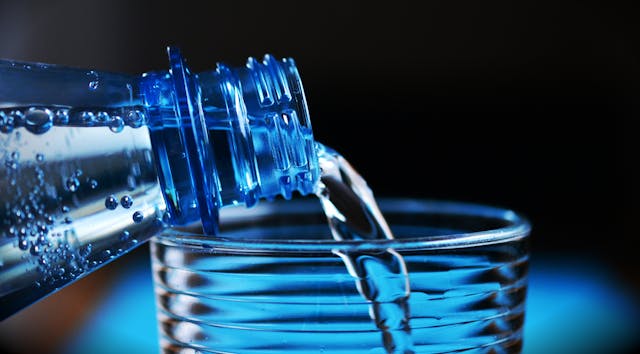
If you have a sensitive stomach or prefer a purer taste, it’s advisable to opt for bottled water, especially at the beginning of your stay. Bottled water is also recommended for preparing baby formula or if you’re unsure about the water quality in a particular place.
Frequently Asked Questions
Is it safe for daily consumption?
Yes, it is safe to consume Lanzarote’s tap water, as it meets European Union standards. Seawater undergoes a desalination process and additional treatments to ensure it is safe to drink. However, the taste may be saltier than you’re used to.
What about for babies or sensitive people?
Tap water in Lanzarote is safe, but as a precaution, it is recommended that babies, pregnant women or sensitive individuals drink bottled water during their stay on the island.
Is bottled water always better?
If you’re only in Lanzarote for a few days, you might not get used to the taste of tap water or may experience digestive issues, so bottled water is a good option. For longer stays or if you’re moving to the island, installing a filter to purify the water is a smart choice.
Also, observe how locals use water. They usually cook, brush their teeth, bathe and do laundry with tap water, while buying bottled water for drinking.
As a tourist, you’ve probably asked yourself more than once: can you drink tap water in Lanzarote? Now you know the answer. While it is safe to drink, it ultimately depends on your preferences and whether you can get used to the taste within a few days.
Specialist in the tourism sector of the Canary Islands with a proven track record in experience management in Lanzarote. My work has always focused on promoting iconic destinations and optimizing transfer and excursion services on the volcanic island.
